Drinking Water Filtration in Raleigh, NC
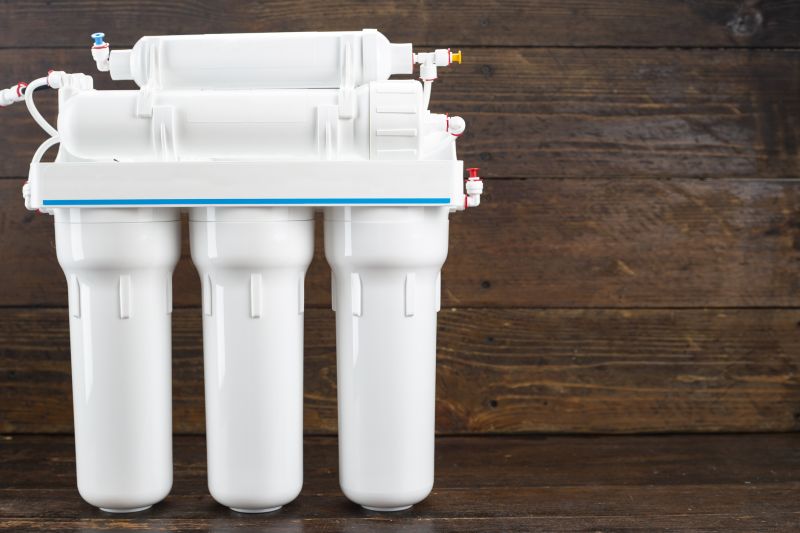
Drinking water filtration services involve installing systems that improve the quality and safety of tap water in residential properties. These systems can address common concerns such as chlorine taste, odors, sediment, and contaminants like lead or bacteria. Projects typically include evaluating existing water sources, selecting appropriate filtration solutions, and installing units such as point-of-use filters for kitchen sinks or whole-house systems to treat water throughout the property. Homeowners often seek these services to ensure their drinking water is clean, safe, and pleasant to consume, especially in areas where water quality may vary.
Before requesting drinking water filtration services, property owners usually want to understand the types of filtration options available, the specific contaminants they need to address, and the maintenance requirements of different systems. It’s helpful to consider the size of the property, water usage patterns, and any specific health concerns or local water quality reports. Having this information can assist in selecting the most suitable filtration solution to meet the household’s needs effectively.
Many property owners in Raleigh, NC look into Drinking Water Filtration for repairs, replacements, upgrades, and appearance-related improvements.
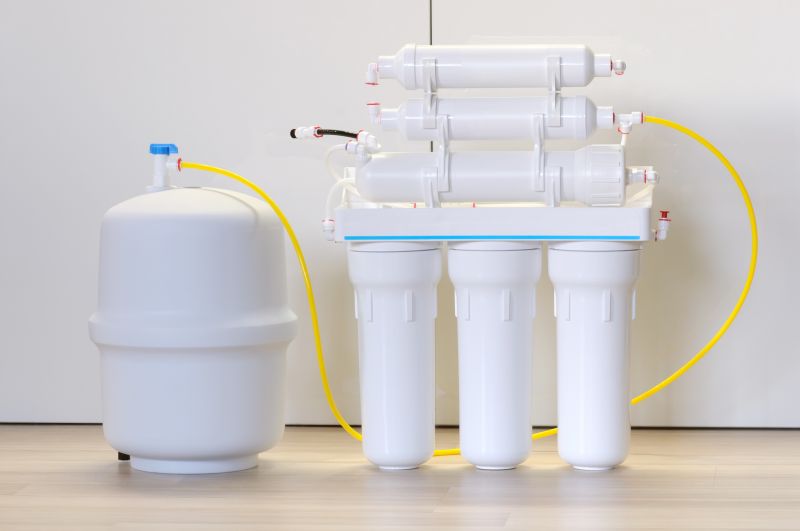
Benefits Of Water Filtration
Improving water quality can enhance taste, odor, and safety for household use.
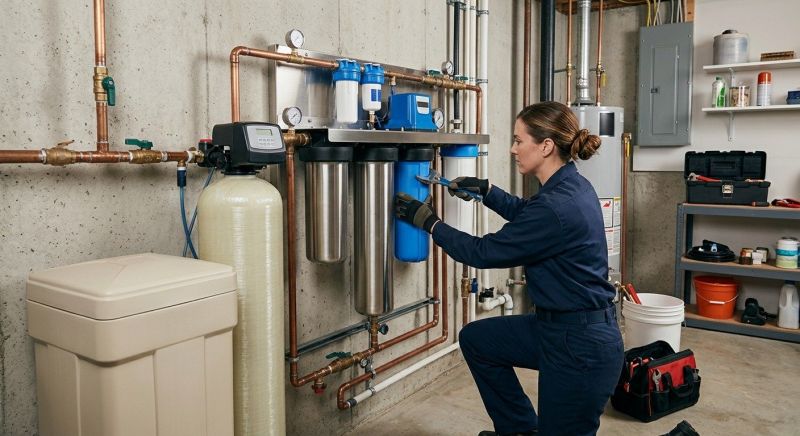
Types Of Filtration Systems
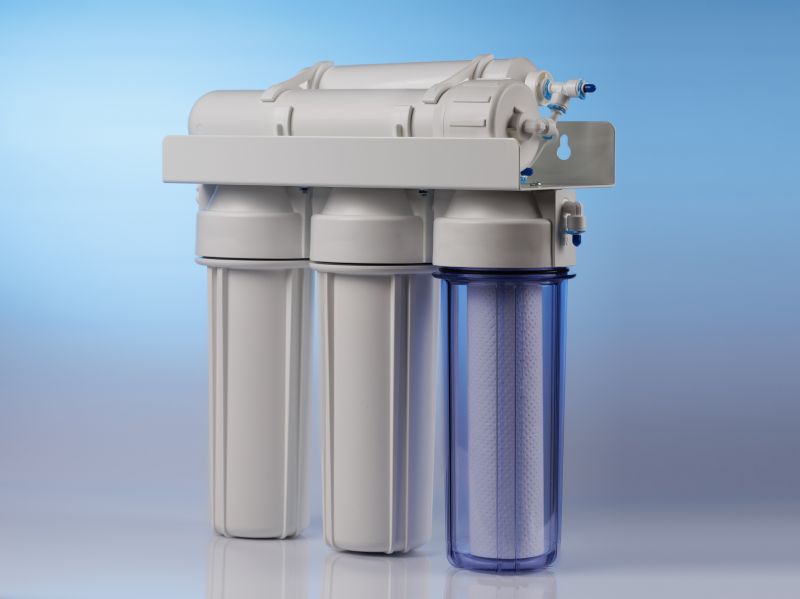
Different systems like activated carbon and reverse osmosis address various water contaminants common in raleigh homes.
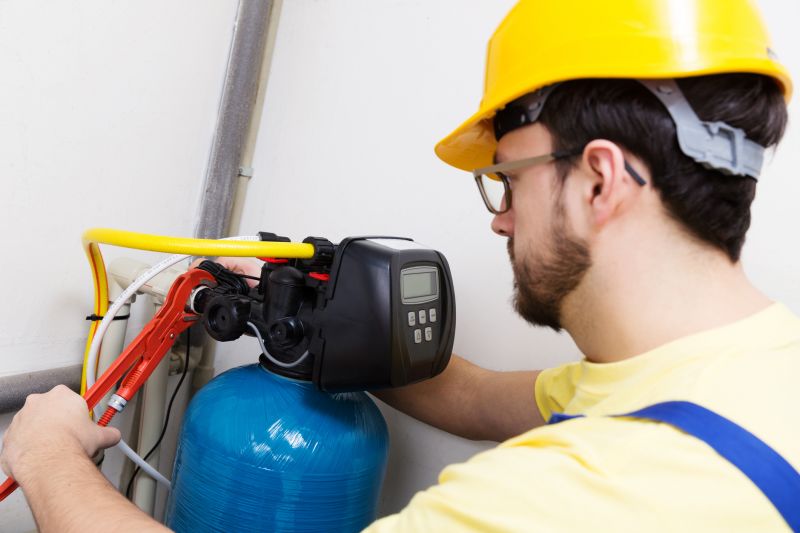
Maintenance And Upkeep
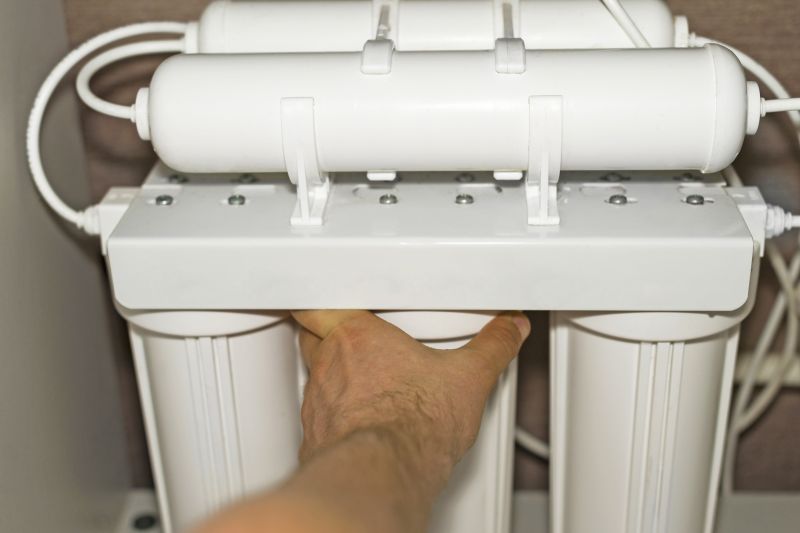
Regular filter replacement ensures optimal performance and continued water purity for your property.
Drinking Water Filtration in Raleigh, NC

Drinking water filtration services involve installing systems that improve the quality and safety of tap water in residential properties. These systems can address common concerns such as chlorine taste, odors, sediment, and contaminants like lead or bacteria. Projects typically include evaluating existing water sources, selecting appropriate filtration solutions, and installing units such as point-of-use filters for kitchen sinks or whole-house systems to treat water throughout the property. Homeowners often seek these services to ensure their drinking water is clean, safe, and pleasant to consume, especially in areas where water quality may vary.
Before requesting drinking water filtration services, property owners usually want to understand the types of filtration options available, the specific contaminants they need to address, and the maintenance requirements of different systems. It’s helpful to consider the size of the property, water usage patterns, and any specific health concerns or local water quality reports. Having this information can assist in selecting the most suitable filtration solution to meet the household’s needs effectively.
Many property owners in Raleigh, NC look into Drinking Water Filtration for repairs, replacements, upgrades, and appearance-related improvements.
Common Drinking Water Filtration Jobs
Point-of-Use Filtration - installed at a specific tap to improve drinking water quality directly.
Whole-House Filtration - systems that filter water for the entire property to remove contaminants.
Reverse Osmosis Systems - provide high-level filtration for pure, clean drinking water.
Sediment Filtration - reduces dirt, rust, and particles from entering household water supplies.
Carbon Filtration - improves taste and odor by removing chlorine and organic compounds.
Specialty Filtration - tailored solutions for specific water issues like heavy metals or bacteria.
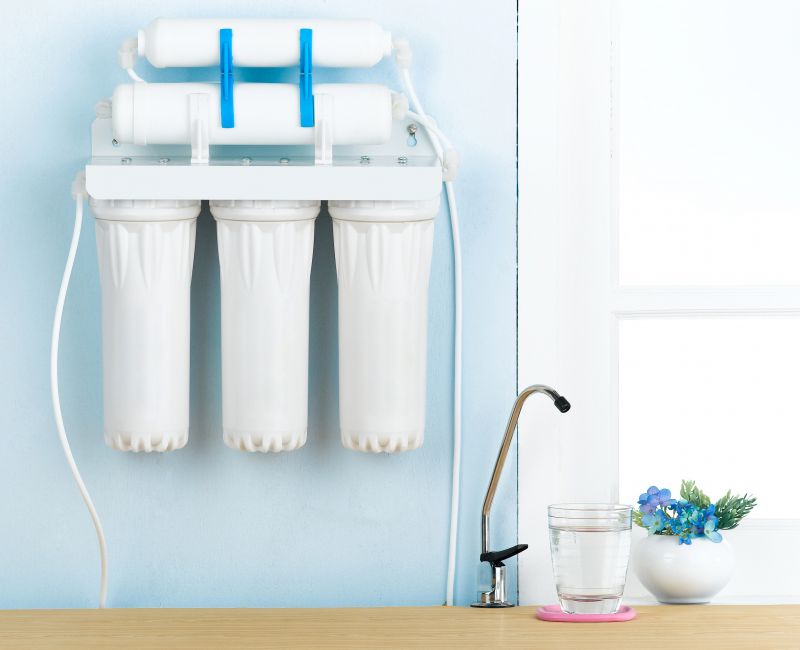
Drinking Water Filtration Questions
How does drinking water filtration improve water quality? It reduces contaminants and impurities, providing clearer, better-tasting water for household use.
What types of filtration systems are available for homes? Options include activated carbon filters, reverse osmosis units, and whole-house filtration systems tailored to specific needs.
Is installation of a water filtration system complicated? Installation varies by system type but generally involves connecting the unit to existing plumbing with minimal disruption.
How often should a water filter be replaced? Replacement frequency depends on the system and water usage, but filters typically need changing every few months to maintain effectiveness.
Request Drinking Water Filtration in Raleigh, NC
Use the quote form on this page to share the basics of your project and request more information for the type of work you need.